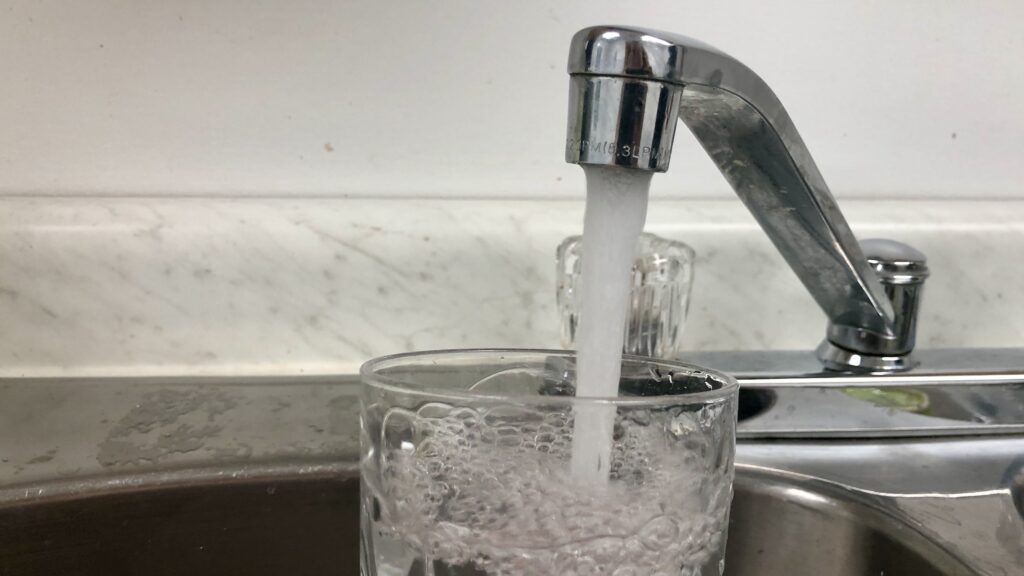
Palm Beach County’s drinking water system—serving hundreds of thousands of residents—meets federal regulatory standards, but multiple independent analyses and recent testing data show the presence of contaminants that continue to raise environmental and public health concerns. The issue is not whether contamination exists—it does—but rather the type, concentration, and long-term health implications of those contaminants.
Where Palm Beach County’s Drinking Water Comes From
Most of Palm Beach County’s drinking water is sourced from groundwater aquifers, which are naturally filtered but still vulnerable to contamination from:
- Industrial activity
- Agricultural runoff
- Urban development
- Water treatment byproducts
The Palm Beach County Water Utilities Department (PBCWUD) reports that it provides water in compliance with federal standards and had zero regulatory violations in 2024.
However, regulatory compliance does not necessarily mean water is free from contaminants or aligned with the latest health-based recommendations.
Key Contaminants Found in Palm Beach County Water
1. PFAS (“Forever Chemicals”)
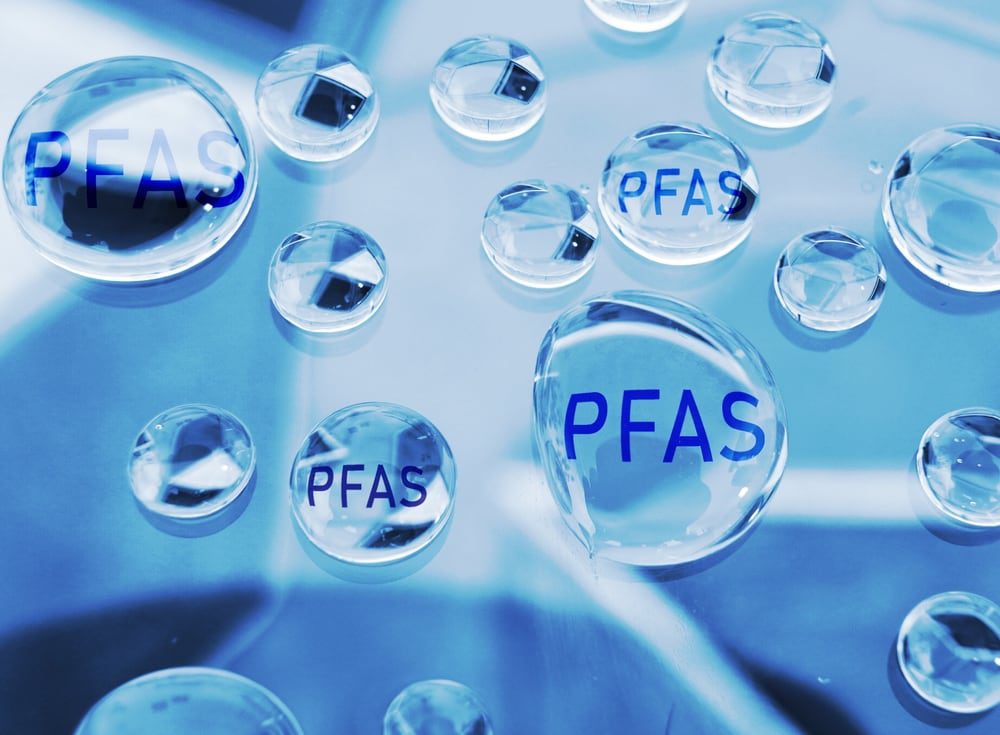
PFAS are among the most concerning contaminants identified in Palm Beach County.
- Studies have detected around 30 different PFAS compounds in South Florida drinking water, including Palm Beach County.
- Local testing has found PFOS and PFOA levels exceeding new EPA health limits in parts of the county.
- In Boynton Beach, PFOS was detected at 26 parts per trillion (ppt)—more than six times the EPA limit of 4 ppt.
PFAS contamination is often linked to:
- Firefighting foam (airports, training facilities)
- Industrial discharge
- Landfills and wastewater runoff
2. Disinfection Byproducts (Haloacetic Acids)
These chemicals form when disinfectants like chlorine react with organic matter in water.
- Haloacetic acids (HAA5 and HAA9) have been detected at levels far above health-based guidelines, though still within legal limits.
- These compounds are associated with increased cancer risk over long-term exposure.
3. Chlorate
- Found at levels more than 2 times above health-based guidelines in some testing data.
- Chlorate is a byproduct of water disinfection and can affect thyroid function, especially in children and pregnant women.
4. Hexavalent Chromium (Chromium-6)
- Detected at levels over 5 times higher than health-based recommendations.
- This chemical is a known carcinogen, often linked to industrial pollution or natural mineral deposits.
5. Radium (Radioactive Contaminant)
- Present in groundwater at levels above recommended health guidelines (though below legal limits).
- Long-term exposure is associated with increased cancer risk.
6. Lead (From Plumbing, Not Water Source)
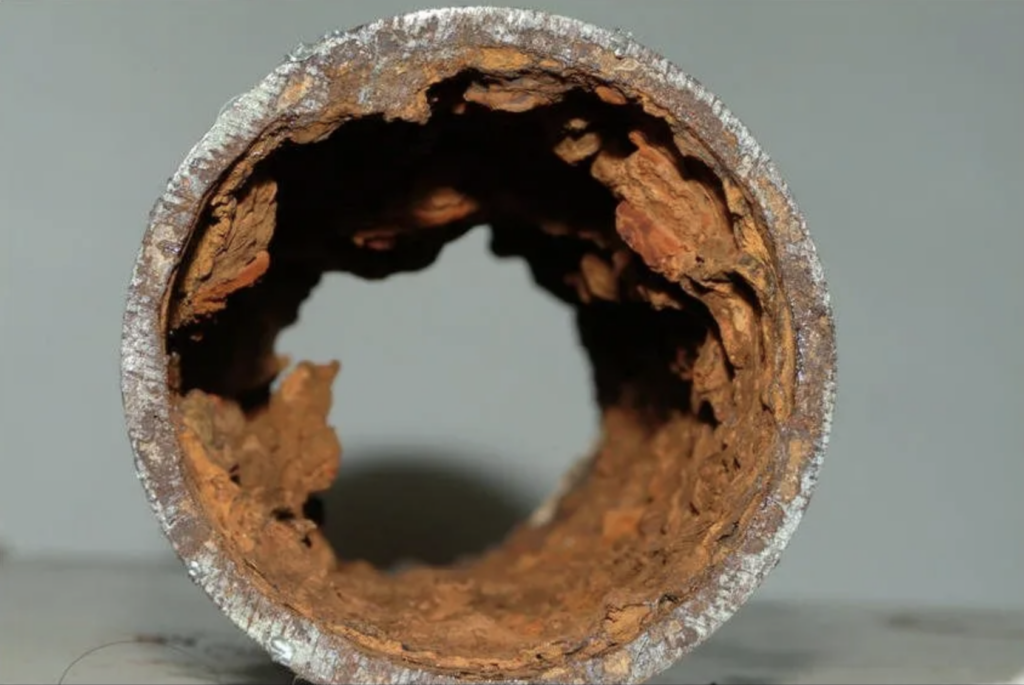
- While utility testing shows no system-wide violations, lead can still enter water through older pipes and fixtures in homes.
How Widespread Is the Issue?
- Palm Beach County water systems have reported multiple contaminants exceeding health-based guidelines, even when meeting legal standards.
- One analysis found 18 total contaminants detected, with several exceeding recommended safety thresholds.
- Nearly 600,000+ residents are served by these systems, meaning exposure is widespread.
Health Risks Associated with These Contaminants
While most contaminants are present at low concentrations, long-term exposure is the central concern.
Linked health effects include:
- Cancer (PFAS, chromium-6, disinfection byproducts, radium)
- Hormonal disruption (chlorate, PFAS)
- Immune system suppression (PFAS)
- Developmental issues in children (PFAS, lead)
- Thyroid dysfunction (chlorate)
PFAS, in particular, are known to bioaccumulate in the human body, meaning exposure builds over time rather than being eliminated.
Areas Showing Higher Concern
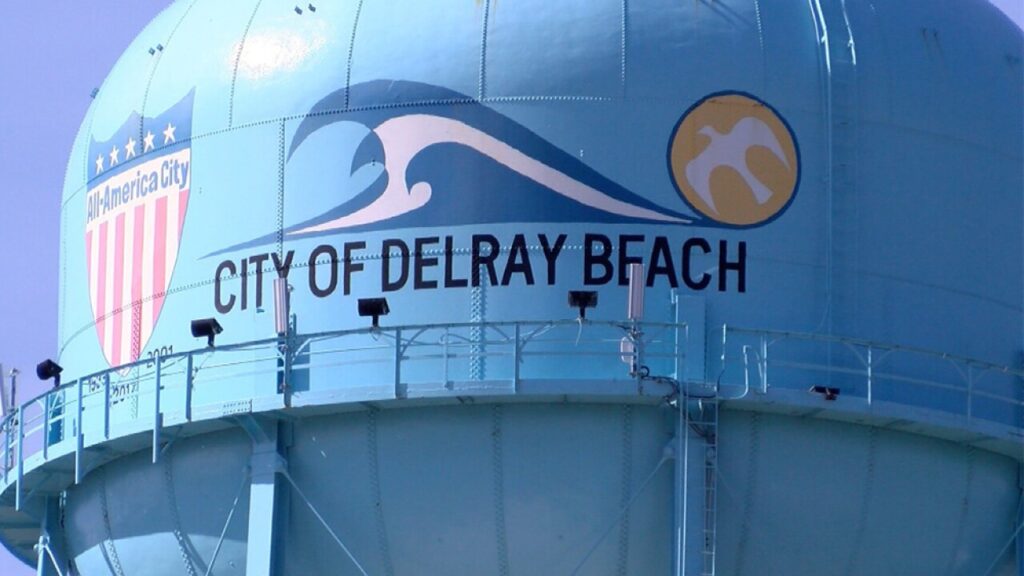
Certain parts of Palm Beach County have drawn more attention:
- Boynton Beach – Elevated PFAS levels detected in testing
- Delray Beach – Reached a $15 million settlement related to PFAS contamination
- West Palm Beach – Reports of PFAS, arsenic, and disinfection byproducts in water supply
At the same time, some municipalities—like Jupiter—report no detectable PFAS in treated water, largely due to advanced filtration systems like reverse osmosis.
Why This Matters
There’s a critical distinction in water quality:
- Legal limits (EPA standards) = enforceable thresholds
- Health-based guidelines = levels considered safest based on current science
Palm Beach County water generally meets legal limits—but several contaminants exceed more stringent health recommendations, which is where concern is growing.
The Bottom Line
Palm Beach County’s drinking water is regulated and technically compliant, but not free from contamination.
Key takeaways:
- PFAS and other contaminants are present and measurable
- Some exceed modern health-based safety guidelines
- Exposure risks are tied to long-term consumption, not immediate toxicity
- Water quality varies significantly by city, treatment method, and even household plumbing
The issue is not panic—it’s awareness. As research evolves and regulations tighten, Palm Beach County—like much of South Florida—is facing increasing pressure to upgrade treatment systems and reduce contamination at its source.